Beach towns that filled in
The southern Gold Coast grew from a string of small beach towns. Palm Beach began as a seaside estate subdivided in 1922, had fewer than 1500 residents in 1961, and within 20 years was surrounded by the growing city. Burleigh Heads nearly doubled in size between 1954 and 1961. Many older beach houses have since been rebuilt or replaced with units and townhouses.
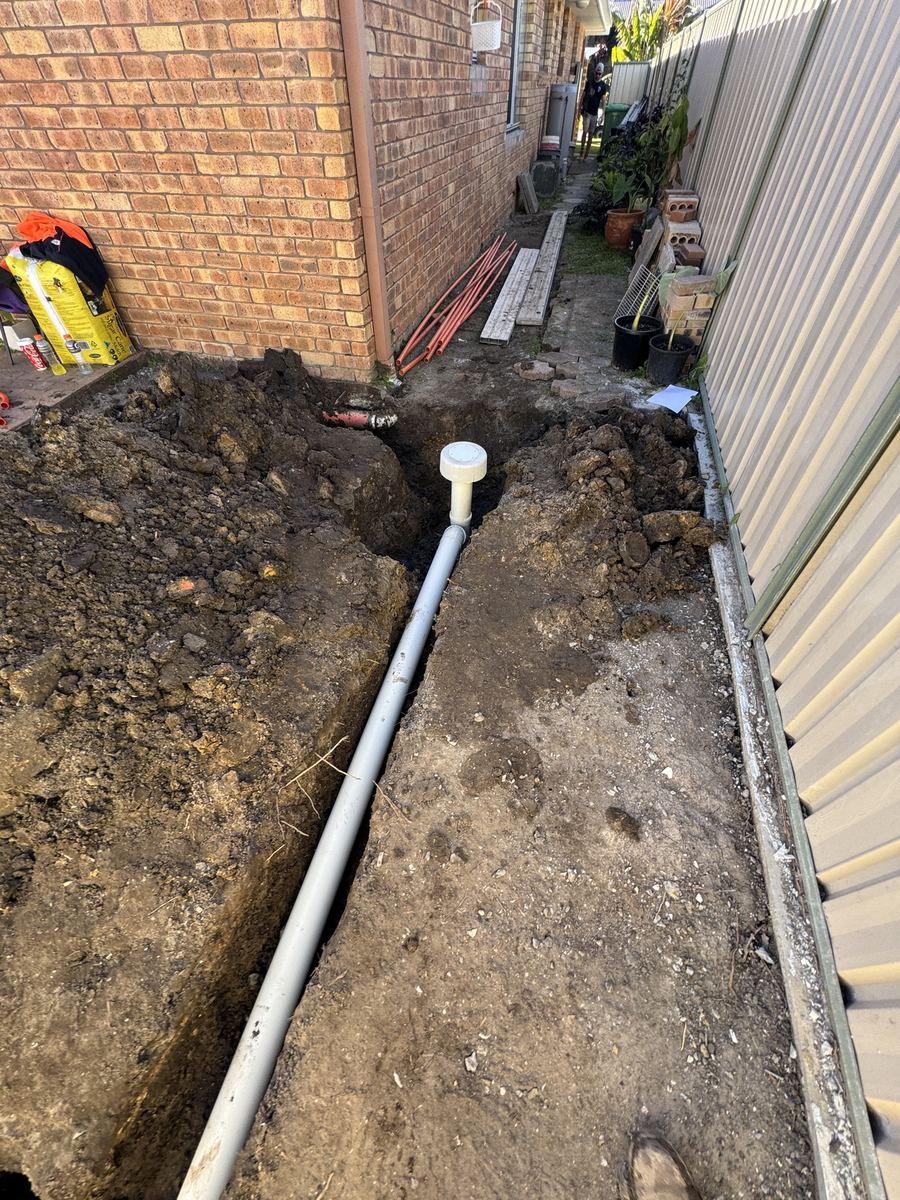
In the older homes that remain, sewer drains may be decades old, and tree roots or shifting joints are a common cause of blockages. Some older homes have no inspection opening on the sewer, which can make a blockage harder to reach.
Coast, lakes and valleys
Homes near the beach live with salt air, which wears outdoor taps, valves and hot water casings faster than inland. Coastal soils here are often sandy. Sand drains quickly, but it can wash into a broken pipe and settle as a blockage, so a cracked drain near the coast is worth repairing rather than just clearing.
Varsity Lakes was built around man-made lakes and became its own suburb in 2002. In the 1960s an inlet at the northern end of Palm Beach was formed into lakes for a canal estate. Behind the coast, Tallebudgera and Mudgeeraba include larger blocks and acreage. Longer pipe runs and sloping ground mean stormwater drainage needs more planning there.
Council and private pipes
The City of Gold Coast runs water and sewerage for the whole city. It maintains sewer pipes from the main to the connection point, and owners look after the drains and inspection openings on their side. If you have no water and your street is not on the council’s alerts page, call the City on 1300 000 928.
Suburbs we cover in Gold Coast South
- Burleigh Heads
- Miami
- Palm Beach
- Currumbin
- Tugun
- Coolangatta
- Elanora
- Varsity Lakes
- Tallebudgera
- Mudgeeraba
- Bilinga
- Currumbin Waters
- Burleigh Waters